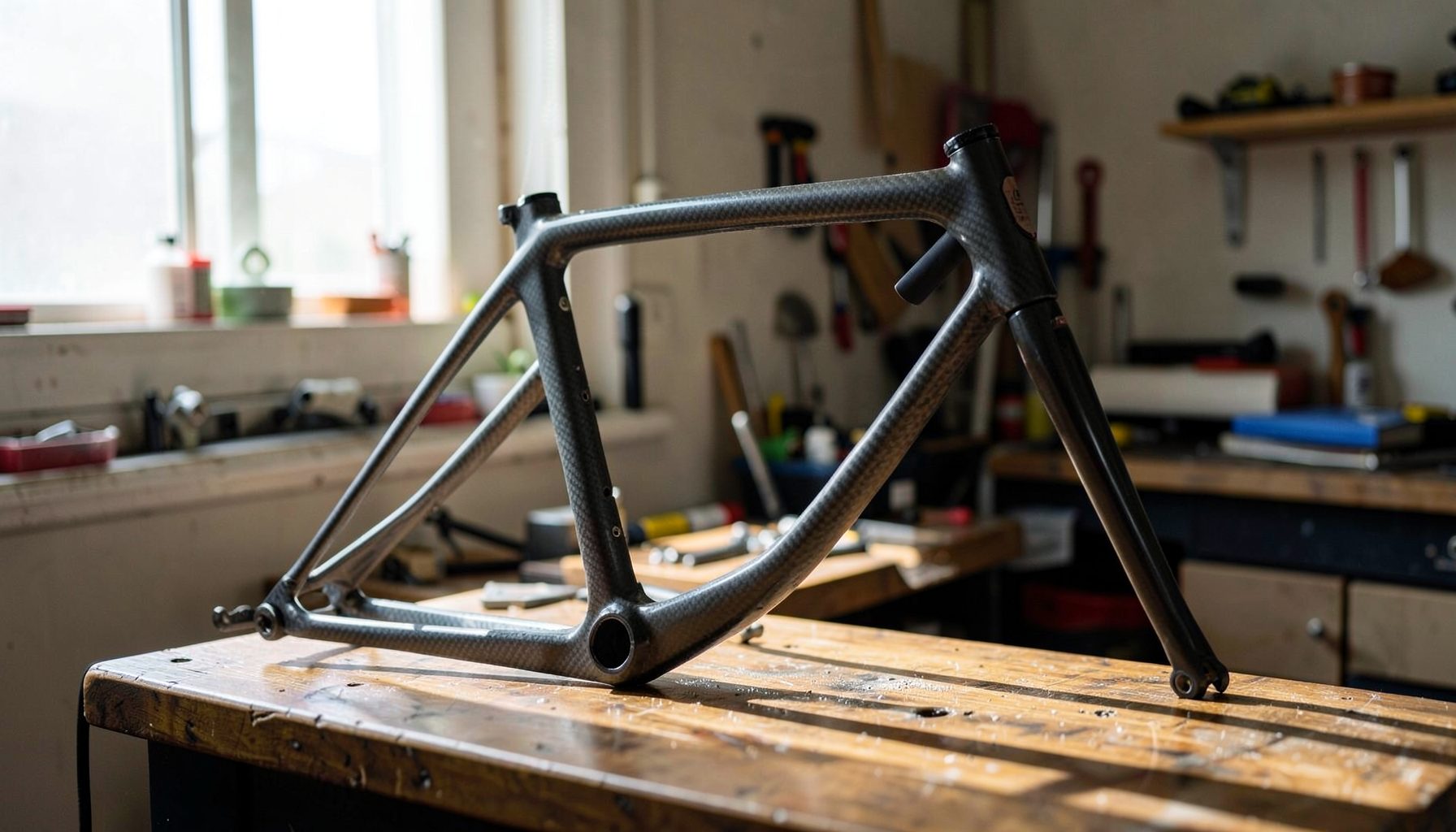
Welcome to the Frames & Seatposts section of Globe Cycle. Here you'll find practical guides on frame care, seatpost maintenance, and related component know-how — all written from real workshop experience.
A stuck seatpost is one of the most frustrating problems a cyclist can face. Regular greasing and a few preventive habits can save you hours of struggle down the road.
Both materials have passionate advocates. This piece breaks down the real-world differences in comfort, weight, and durability without the marketing hype.
Steel frames can last a lifetime — if you catch rust before it takes hold. Learn the warning signs and the simple treatments that work.
Get the latest guides
Join the Globe Cycle newsletter for fresh articles straight to your inbox.
A seized seatpost is often the result of years of accumulated moisture and grime working their way between the post and the frame. When dissimilar metals sit together in a damp environment, corrosion can bond them firmly over time. The best approach is prevention, beginning with a generous application of grease or anti-seize compound before inserting the post into the frame. This simple step creates a protective barrier that keeps water out and allows the post to slide freely when adjustments are needed. Cyclists who ride in wet conditions or store their bikes outdoors should pay extra attention to this maintenance routine, as exposure to the elements accelerates the bonding process considerably.
Regular inspection of your seatpost is a habit that pays off in the long run. Every few months, loosen the clamp and attempt to rotate or slide the post slightly within the frame. If it moves without excessive force, your preventive measures are working. If you notice resistance, do not wait until the problem worsens. Remove the post entirely, clean both surfaces thoroughly, and reapply fresh grease before reinstalling. This periodic check also gives you the opportunity to examine the post for cracks, scratches, or signs of wear that could compromise its structural integrity and affect your riding experience.
If you find yourself facing an already seized seatpost, there are methods to free it without damaging your frame. Applying penetrating oil around the junction and allowing it time to work can help break the corrosion bond. Gentle heat from a hairdryer or careful use of a heat gun can expand the frame slightly, loosening the grip on the post. Patience is essential here, as forcing the issue with excessive leverage can crack the frame or damage the seat tube. Many riders have rescued a seemingly hopeless situation by combining these techniques with repeated gentle rocking motions over several sessions.
The type of grease you choose matters more than many cyclists realize. A quality waterproof grease designed for bicycle applications will perform better than general-purpose lubricants, especially in wet or humid climates. Carbon seatposts require special care, as carbon assembly paste provides the friction needed to prevent slipping while still allowing future removal. Aluminum and steel posts benefit from a copper-based anti-seize compound, which offers superior corrosion protection. Matching the right product to your specific post and frame materials is a small detail that can make the difference between effortless maintenance and a costly repair or replacement down the line.
Beyond the mechanical aspects, a seized seatpost can have broader implications for your cycling safety and comfort. An improperly seated post can shift during a ride, altering your riding position and potentially causing discomfort or injury over longer distances. If you are unable to adjust your saddle height, you may be forced to ride in a position that puts strain on your knees and back. Taking a few minutes to properly maintain your seatpost ensures that you can always achieve the correct saddle height, which is fundamental to efficient pedaling, proper leg extension, and an enjoyable ride every time you head out.