Worn Cassette Teeth Vs New: The Core Difference Between Them
The difference between worn cassette teeth vs new is a common question between many cyclists. They compare the bike cassette …
Everything you need to keep your drivetrain running smoothly — from cassette wear and chain maintenance to pedal greasing, crank removal, and bottom bracket know-how. Practical guides and honest component comparisons, written by a fellow cyclist.
The difference between worn cassette teeth vs new is a common question between many cyclists. They compare the bike cassette …
Understanding cassette lifespan helps you plan replacements before shifting performance degrades. Learn the signs of wear and how to extend …
Proper pedal greasing prevents creaks and seizing. Follow these eight steps to keep your pedals spinning quietly and smoothly …
When your bike won't pedal forward, the culprit is usually in the drivetrain. Here are eight common causes and how to fix them …
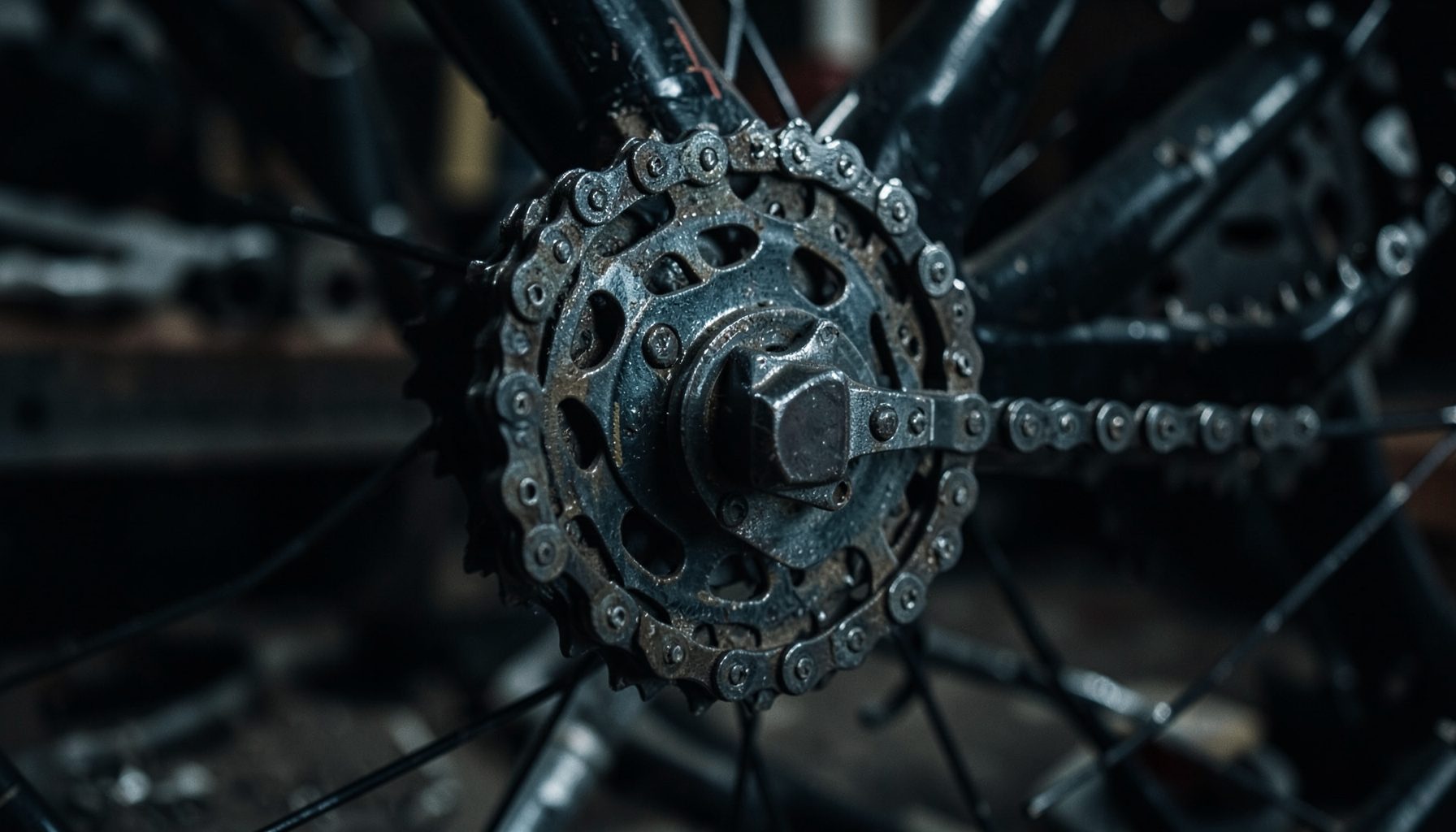
A bicycle drivetrain is the heart of how power moves from your legs to the wheels, and the condition of its components directly affects your riding experience. The cassette, chain, and chainrings work together as a system, and when one part begins to wear, it accelerates wear on the others. Worn teeth on a cassette often show a hooked or shark-fin shape rather than the squared profile of new teeth. This happens because the chain constantly pulls against the teeth under load, gradually reshaping the metal. Recognizing this difference early can save you money and frustration down the road.
Many cyclists find themselves puzzled when their bike skips under hard pedaling, especially after installing a fresh chain. The culprit is frequently a worn cassette whose teeth no longer mesh properly with the new chain. While a chain is a relatively inexpensive replacement, cassettes cost more, so riders sometimes delay the swap. However, leaving a worn cassette in place while running a new chain will only accelerate damage to the new component. Checking the teeth visually and feeling for slipping during a test ride are simple ways to assess whether your cassette needs attention before it compromises your safety.
The question of whether to replace a cassette at the first sign of wear depends on how you ride. Casual riders who put in low mileage may get many seasons from a single cassette, while dedicated cyclists logging high weekly distances will cycle through drivetrains far more quickly. Riding in wet or muddy conditions also increases wear, as grit and grime act like sandpaper between the chain and teeth. Keeping your drivetrain clean and properly lubricated is one of the most effective ways to extend the life of your cassette and keep your shifting crisp and reliable throughout the riding season.
When comparing worn versus new cassette teeth, the practical difference comes down to how the bike feels under power. A fresh cassette delivers positive, immediate engagement with the chain, while a worn one feels vague and may skip under load, particularly on middle gears where you put down the most force. This skipping is not just annoying; it can be dangerous in traffic or on steep climbs when you need reliable power delivery. Inspecting your cassette periodically and replacing it when needed keeps your drivetrain operating smoothly, protects your other components, and ensures that every pedal stroke translates into forward motion as intended.
No crank puller? No problem. This detailed tutorial walks you through removing a bike crank with tools you likely already have …
Removing a bottom bracket without the dedicated tool takes patience, but it's doable. Here's the method that works …